



MT2
The melatonin MT2 receptor (MT2) is a high-affinity G protein-coupled receptor that mediates melatonin’s effects on circadian rhythm regulation and sleep architecture[1][2]. Mechanistically, MT2 activation modulates intracellular cAMP, Ca2+ signaling, and downstream kinases including CaMKII and ERK, thereby influencing neuronal excitability and synaptic plasticity[3][4][5]. Compared with MT1 receptors, MT2 exhibits distinct localization in the reticular thalamus and hippocampus, favoring non-REM sleep modulation and anxiolytic-like effects[2][6][7]. In neuropathic pain models, MT2 agonists such as IIK-7 and UCM924 reduce mechanical allodynia, suppress spinal microglial activation, and engage descending brainstem antinociceptive circuits via opioid-dependent mechanisms[8][9][10][11]. MT2 also contributes to neuroprotection, as activation prevents Aβ-induced dendritic impairments and attenuates oxidative stress in hippocampal neurons, partially via the cAMP-C/EBPα/miR-125b and ERK/Nrf2 pathways[12][5]. Selective MT2 ligands display isoform-specific pharmacology, acting as full or partial agonists, enabling targeted experimental modulation without affecting MT1-mediated REM sleep pathways[13][2]. These properties support MT2 as a distinct therapeutic target in sleep, neurodegenerative disorders, pain, and oxidative stress-related conditions, with well-characterized signaling profiles for research applications[1][3][11].
References:
- [1]. Oishi A, et al. Orphan GPR61, GPR62 and GPR135 receptors and the melatonin MT2 receptor reciprocally modulate their signaling functions. Sci Rep. 2017 Aug 21;7(1):8990. [Content Brief]
- [2]. Kuthati Y, et al. Melatonin MT2 receptor agonist IIK-7 produces antinociception by modulation of ROS and suppression of spinal microglial activation in neuropathic pain rats. J Pain Res. 2019 Aug 8;12:2473-2485. [Content Brief]
- [3]. Tang H, et al. Activation of MT2 receptor ameliorates dendritic abnormalities in Alzheimer's disease via C/EBPα/miR-125b pathway. Aging Cell. 2019 Apr;18(2):e12902. [Content Brief]
- [4]. Boutin JA, et al. New MT₂ Melatonin Receptor-Selective Ligands: Agonists and Partial Agonists. Int J Mol Sci. 2017 Jun 23;18(7):1347. [Content Brief]
- [5]. Liu J, et al. MT1 and MT2 Melatonin Receptors: A Therapeutic Perspective. Annu Rev Pharmacol Toxicol. 2016;56:361-83. [Content Brief]
- [6]. Gobbi G, et al. Differential Function of Melatonin MT1 and MT2 Receptors in REM and NREM Sleep. Front Endocrinol (Lausanne). 2019 Mar 1;10:87. [Content Brief]
- [7]. Posa L, et al. Supraspinal melatonin MT2 receptor agonism alleviates pain via a neural circuit that recruits mu opioid receptors. J Pineal Res. 2022 Nov;73(4):e12825. [Content Brief]
- [8]. Wu J, et al. Melatonin attenuates anoxia/reoxygenation injury by inhibiting excessive mitophagy through the MT2/SIRT3/FoxO3a signaling pathway in H9c2 cells. Drug Des Devel Ther. 2020;14:2047-2060.
- [9]. Lopez-Canul M, et al. Selective melatonin MT2 receptor ligands relieve neuropathic pain through modulation of brainstem descending antinociceptive pathways. Pain. 2015 Feb;156(2):305-317. [Content Brief]
- [10]. Comai S, et al. Dysfunction of serotonergic activity and emotional responses across the light-dark cycle in mice lacking melatonin MT2 receptors. J Pineal Res. 2020 Aug;69(1):e12653. [Content Brief]
- [11]. Wang J, et al. Melatonin Induces Analgesic Effects through MT2 Receptor-Mediated Neuroimmune Modulation in the Mice Anterior Cingulate Cortex. Research (Wash D C). 2024 Oct 8;7:0493. [Content Brief]
- [12]. Shin EJ, et al. Melatonin attenuates memory impairment induced by Klotho gene deficiency via interactive signaling between MT2 receptor, ERK, and Nrf2-related antioxidant potential. Int J Neuropsychopharmacol. 2014 Dec 30;18(6):pyu105. [Content Brief]
- [13]. Noseda AC, et al. REM sleep deprivation promotes a dopaminergic influence in the striatal MT2 anxiolytic-like effects. Sleep Sci. 2016 Jan-Mar;9(1):47-54. [Content Brief]
-
MT2 Related Products (24)
Related Products (24)

- 1
- 2
-
Ramelteon
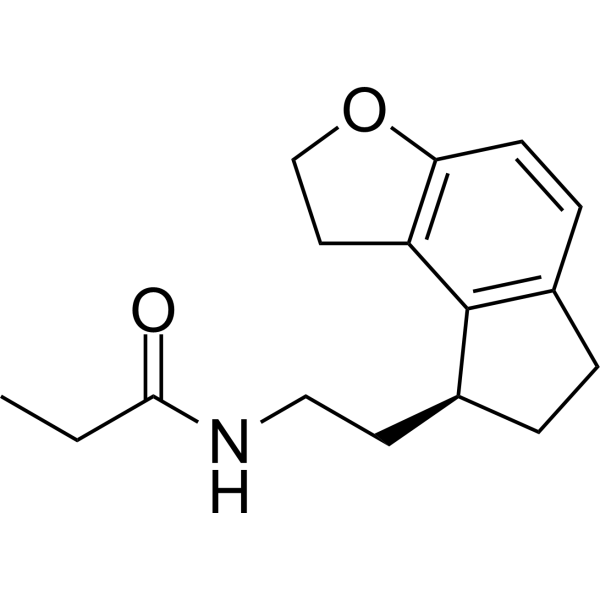 0 ImagesSynonyms: TAK-375Ramelteon is a potent, highly selective, and orally active agonist of MT1/MT2 with Ki values of 14 and 112 pM, respectively. Ramelteon has the potential for the research of insomnia. Ramelteon consistently reduces sleep onset after long-term treatment, with no next-morning residual effects or rebound insomnia or withdrawal symptoms upon discontinuation.
-
Luzindole
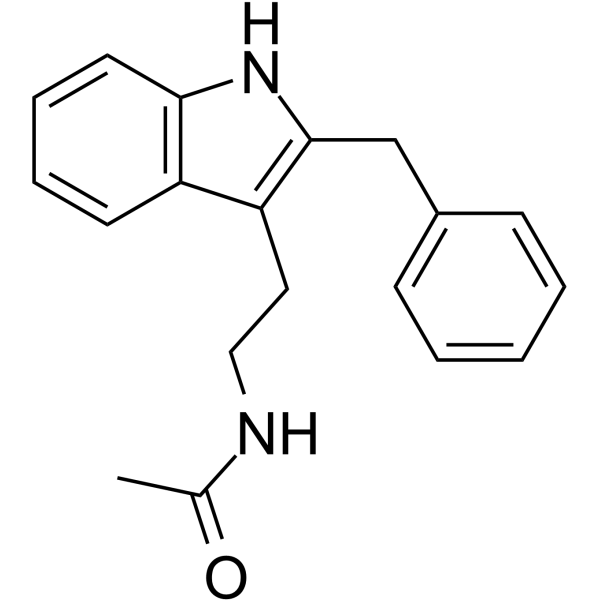 0 ImagesSynonyms: N-0774Luzindole (N-0774) is a selective melatonin receptor antagonist. Luzindole preferentially targets MT2 (Mel1b) over MT1 (Mel1a) with Ki values of 10.2 and 158 nM for human MT2 and MT1, respectively. Luzindole suppresses experimental autoimmune encephalomyelitis (EAE), and exerts antidepressant-like activity.
-
4-P-PDOT
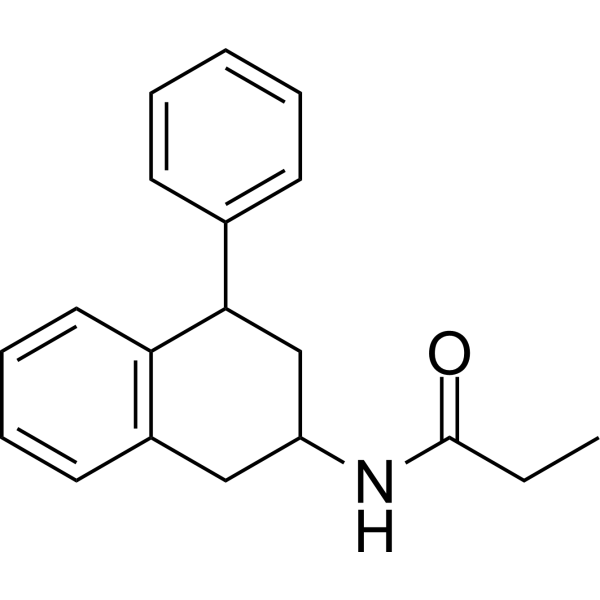 0 Images4-P-PDOT is a potent, selective and affinity Melatonin receptor (MT2) antagonist. 4-P-PDOT is >300-fold more selective for MT2 than MT1. 4-P-PDOT significantly counteracts Melatonin-mediated antioxidant effects (GSH/GSSG ratio, phospho-ERK, Nrf2 nuclear translocation, Nrf2 DNA-binding activity).
-
Tasimelteon
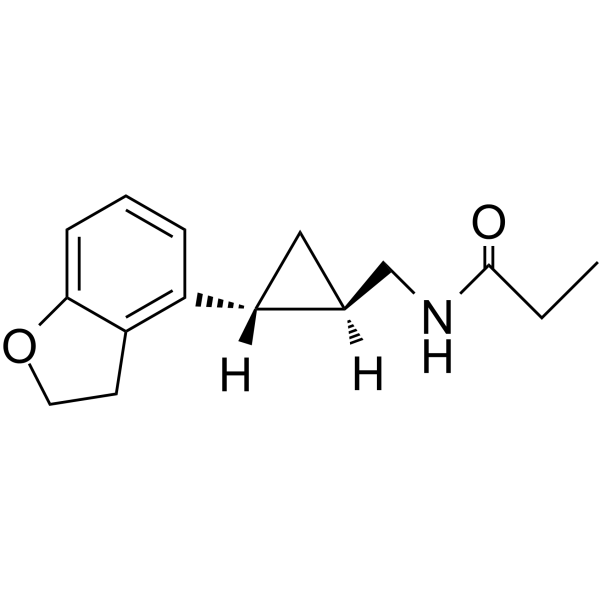 0 ImagesSynonyms: BMS-214778; VEC-162Tasimelteon (BMS-214778) is an orally active and selective dual melatonin receptor agonist (DMRA). Tasimelteon has 2.1-4.4 times greater affinity for the MT2 receptor than for the MT1 receptor. Tasimelteon is a circadian regulator and has the potential for Non-24-Hour Sleep-Wake Disorder (Non-24).
-
S-22153
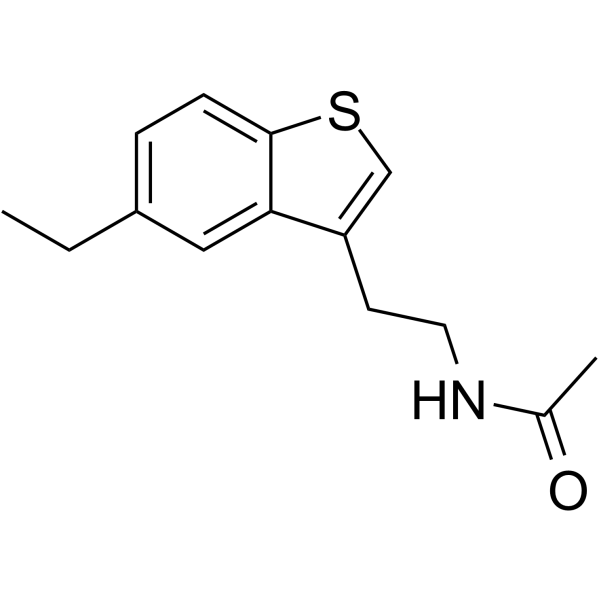 0 ImagesS-22153 is a potent melatonin receptor antagonist with EC50 values of 19 nM, 4.6 nM for hMT1 and hMT2 melatonin receptor, respectively. S-22153 has Ki values of 8.6 nM (CHO cells) and 16.3 nM (HEK cells) for hMT1, and 6.0 nM (CHO cells) and 8.2 nM (HEK cells) for hMT2. S-22153 is a specific ligand of MT1 and MT2 melatonin receptors subtypes.
-
Ptaquiloside
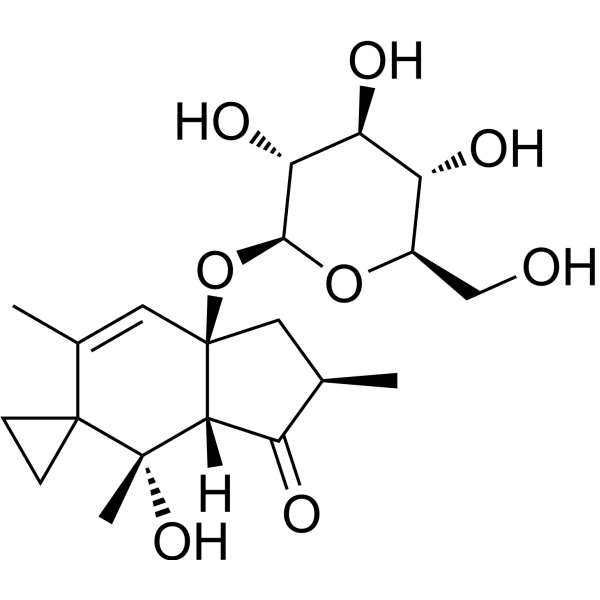 0 ImagesCat. No.: HY-N7882CAS No.: 87625-62-5Synonyms: Braxin C; Aquilide APtaquiloside (Braxin C; Aquilide A) is an illudane-type sesquiterpene glycoside natural toxin derived from ferns, with carcinogenic properties. Ptaquiloside can be converted to Pterosin B (HY-N1570). Ptaquiloside upregulates the expression of metallothioneins Mt1 and Mt2, and depletes intracellular free zinc ions. Ptaquiloside downregulates the expression of CD44 and CD107a in lesion-infiltrating CD8+ T cells, impairs T cell activation and degranulation capacity, and promotes immune evasion. Ptaquiloside can be used in cancer-related research.
-
5-Methoxyluzindole
 0 ImagesCat. No.: HY-187980CAS No.: 122853-28-55-Methoxyluzindole is a partial Melatonin Receptor agonist with a high-affinity Ki value of 3 pM in hamsters. 5-Methoxyluzindole inhibits the binding of radioligands to melatonin receptors in median eminence/pars tuberalis membranes. 5-Methoxyluzindole mimics the in vivo antigonadal and body weight-reducing effects of melatonin in hamsters. 5-Methoxyluzindole can be used in research related to melatonin receptor-mediated diseases.
-
ACH-000143
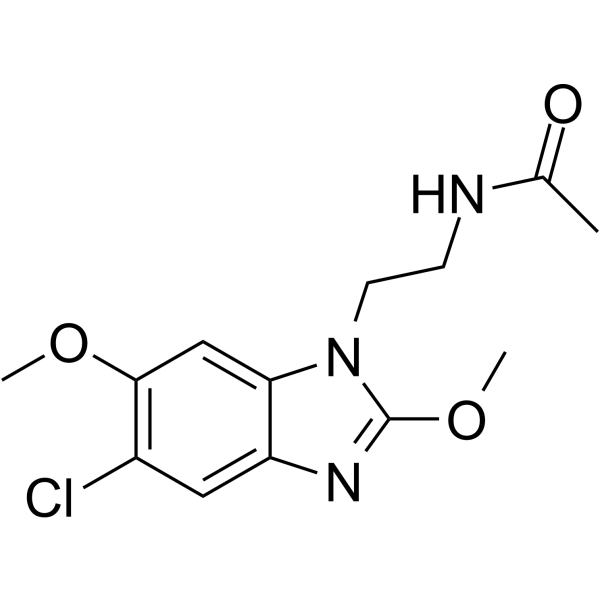 0 ImagesACH-000143 is a potent and orally active melatonin receptor agonist, with EC50 values of 0.06 nM and 0.32 nM for MT1 and MT2, respectively.
-
Piromelatine
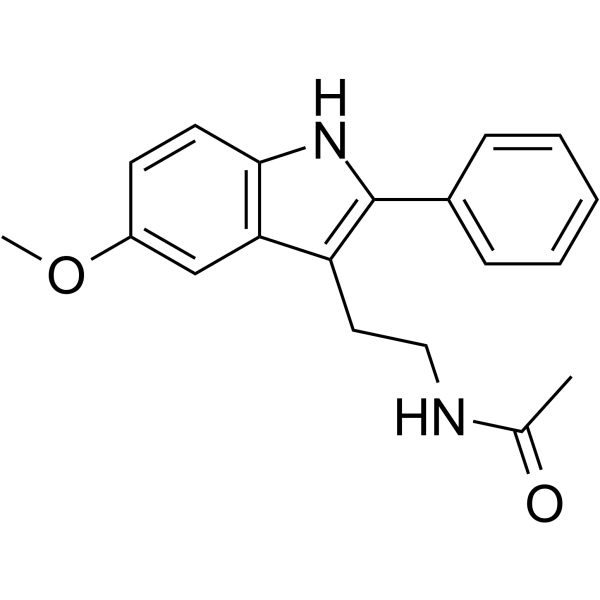
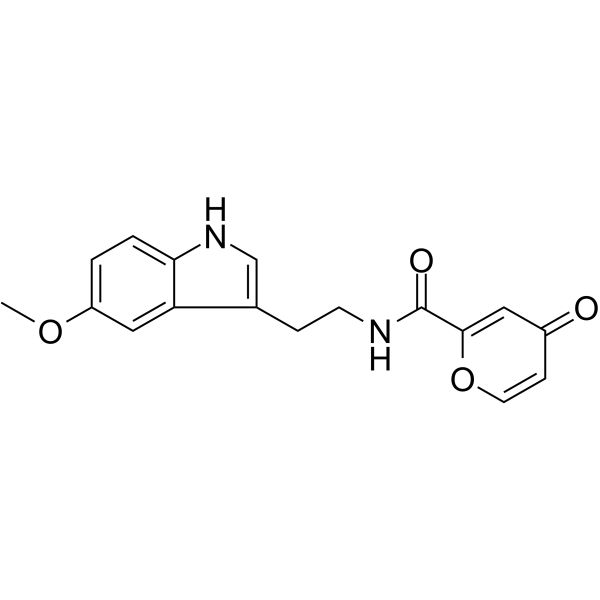 0 ImagesSynonyms: Neu-P11Piromelatine (Neu-P11) is a melatonin MT1/MT2 receptor agonist, serotonin 5-HT1A/5-HT1D agonist, and serotonin 5-HT2B antagonist. Piromelatine (Neu-P11) possesses sleep promoting, analgesic, anti-neurodegenerative, anxiolytic and antidepressant potentials. Piromelatine (Neu-P11) also possesses pain-related P2X3, TRPV1, and Nav1.7 channel-inhibition capacities.
-
Agomelatine-d6
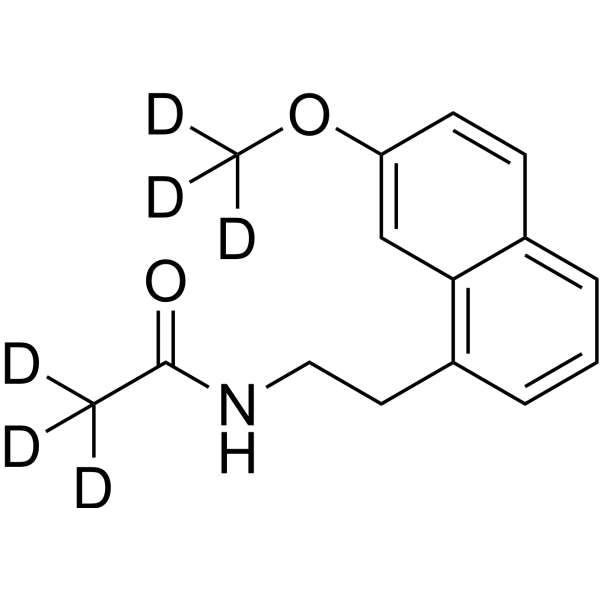 0 ImagesSynonyms: S-20098-d6
-
Ramelteon-d5
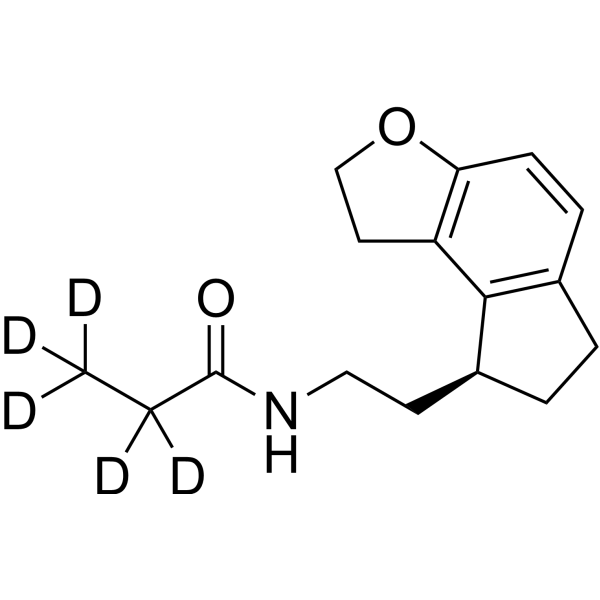 0 ImagesCat. No.: HY-A0014SCAS No.: 1134159-63-9Synonyms: TAK-375-d5Ramelteon-d5 is deuterium labeled Ramelteon. Ramelteon is a potent, highly selective, and orally active agonist of MT1/MT2 with Ki values of 14 and 112 pM, respectively. Ramelteon has the potential for the research of insomnia. Ramelteon consistently reduces sleep onset after long-term treatment, with no next-morning residual effects or rebound insomnia or withdrawal symptoms upon discontinuation.
-
Agomelatine-d3
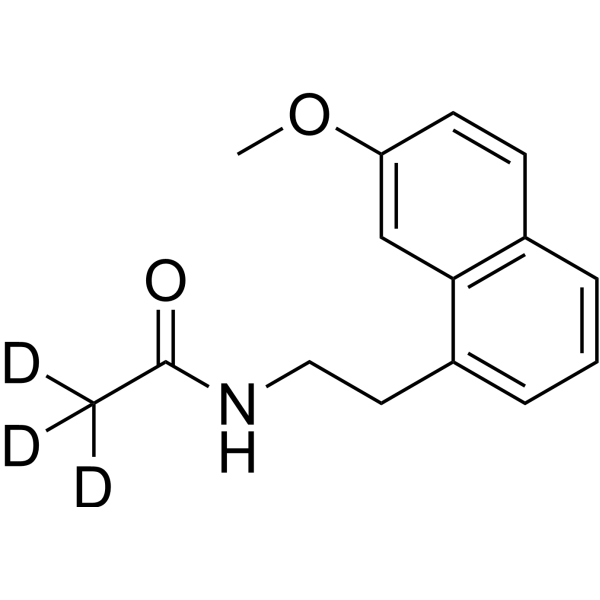 0 ImagesSynonyms: S-20098-d3Agomelatine-d3 is the deuterium labeled Agomelatine. Agomelatine (S-20098) is a specific agonist of MT1 and MT2 receptors with Kis of 0.1, 0.06, 0.12, and 0.27 nM for CHO-hMT1, HEK-hMT1, CHO-hMT2, and HEK-hMT2, respectively. Agomelatine is a selective 5-HT2C receptor antagonist with pKis of 6.4 and 6.2 at native (porcine) and cloned, human 5-HT2C receptors, respectively.
-
N-Pentanoyl 2-benzyltryptamine
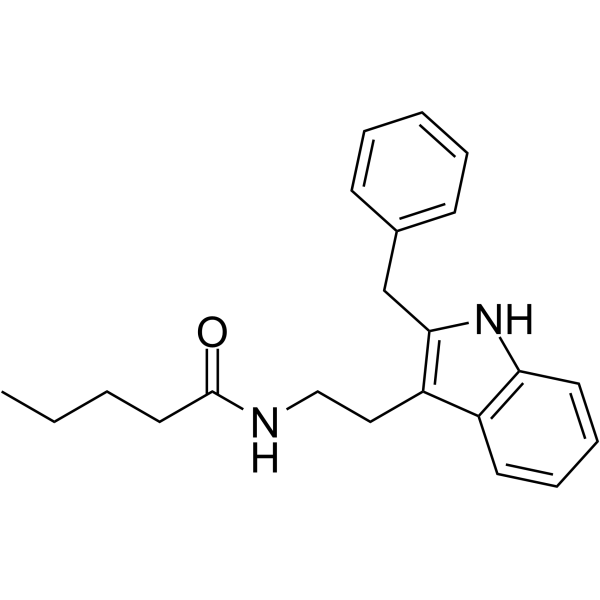 0 ImagesN-Pentanoyl 2-benzyltryptamine is a potent and selective antagonist of MT2 melatonin receptor, with a pKi of 8.03 for human MT2. N-Pentanoyl 2-benzyltryptamine shows 89- and 229-fold selectivity for human MT2 over human mt1 and Xenopus mel1c receptor subtypes. N-Pentanoyl 2-benzyltryptamine can inhibit melatonin-induced enhancement of electrically-evoked responses.
-
Agomelatine-d4
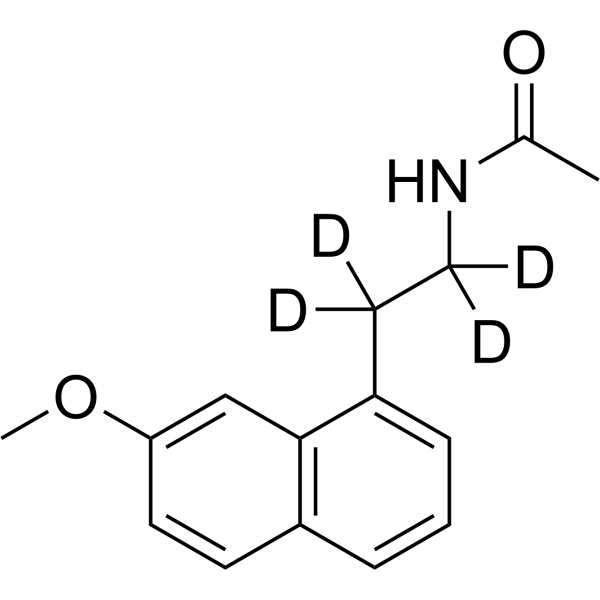 0 ImagesCat. No.: HY-17038S1CAS No.: 1079389-44-8Synonyms: S-20098-d4Agomelatine-d4 is the deuterium labeled Agomelatine. Agomelatine (S-20098) is a specific agonist of MT1 and MT2 receptors with Kis of 0.1, 0.06, 0.12, and 0.27 nM for CHO-hMT1, HEK-hMT1, CHO-hMT2, and HEK-hMT2, respectively. Agomelatine is a selective 5-HT2C receptor antagonist with pKis of 6.4 and 6.2 at native (porcine) and cloned, human 5-HT2C receptors, respectively.
-
Melatonin receptor agonist 1
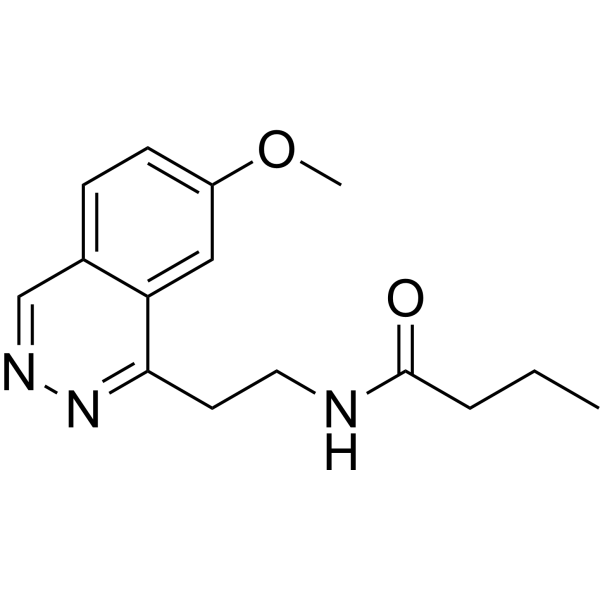 0 ImagesCat. No.: HY-147542CAS No.: 2411150-76-8Melatonin receptor agonist 1 (compound 20c) is a potent melatonin receptor (MT) agonist, with Ki values of 108 nM (MT2) and 1140 nM (MT1).
-
UCM1400
 0 ImagesCat. No.: HY-180198UCM1400 is a melatonin receptor (MT) subtype-selective modulator. UCM1400 shows agonistic effect for MT1 and antagonistic effect for MT2 with pKi values of 7.94 and 8.11. UCM1400 can inhibit the decrease in cAMP mediated by the MT2 receptor with a pIC50 of 7.87. UCM1400 exhibits anti-proliferative activity against human glioma cells and inhibit tumor growth. UCM1400 can be used for the research of cancer, such as glioma.
-
7-Desmethyl-3-hydroxyagomelatine
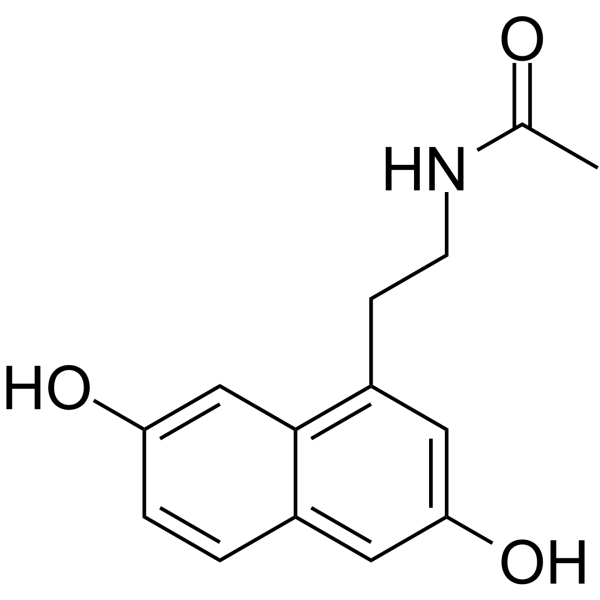 0 ImagesCat. No.: HY-133112CAS No.: 166527-00-0Synonyms: 3-Hydroxy-7-desmethyl agomelatine
-
UCM 793
 0 ImagesCat. No.: HY-115304CAS No.: 101374-18-9UCM 793 is a non-selective MT1/MT2 receptor agonist (pKis: 9.09 (MT1 receptor); 9.19 (MT2 receptor)). UCM793 increases the number of episodes and decreases the length of the episodes of wakefulness. UCM 793 influences quality of the vigilance states. UCM 793 decreases sleep onset without having an effect on NREM sleep maintenance.
- 1
- 2



